Statement by Secretary of State Marco Rubio and Secretary of Agriculture Brooke Rollins

Admin • 4 February 2026

(Washington, D.C., February 3, 2026) – On January 31st, the U.S. Department of Agriculture and the U.S. Department of State welcomed a new commitment between the United States and Mexico that strengthens implementation of the 1944 Water Treaty, providing greater certainty for farmers, ranchers, and producers in South Texas who rely on consistent water deliveries from the Rio Grande.


This announcement follows a call last week between President Trump and President Sheinbaum, during which both leaders reaffirmed their commitment to resolving longstanding water management challenges and supporting communities and producers on both sides of the border.


“Water is the lifeblood of the farmers and ranchers who power South Texas’s agricultural economy,” said U.S. Secretary of Agriculture Brooke L. Rollins. “This understanding between our countries is a direct result of President Trump’s determination to secure fair, practical deals that deliver for American agriculture, and we’re grateful to President Sheinbaum and the Government of Mexico for their partnership in this effort.”


“Under President Trump’s leadership and direction,” said U.S. Secretary of State Marco Rubio, “the Department of State, Department of Agriculture, and the U.S. International Boundary and Water Commission have worked to secure Mexico’s commitment to meet its obligations under the 1944 Water Treaty, while also providing a plan to eliminate the deficit from the prior cycle, strengthening water security for Texas communities and U.S. agriculture. This is another example of how the Trump Administration continues to produce benefits for the American people on issues ranging from illegal immigration, countering cartels, and modernizing trade, as well as securing water for our farmers.”


Under the negotiated outcome, Mexico committed to deliver a minimum of 350,000 acre feet of water per year to the United States during the current five year cycle, providing stability for agricultural producers and rural communities in the Lower Rio Grande Valley. Mexico has also committed to a detailed plan to fully repay all outstanding water debt accrued during the previous cycle.


Additionally, both parties will hold monthly meetings to ensure timely, consistent deliveries and prevent future deficits. USDA, the Department of State, and other federal partners will continue to work closely as implementation moves forward.
by Admin 4 February 2026
(Washington, D.C., January 27, 2026) - U.S. Secretary of Agriculture Brooke L. Rollins issued the following statement applauding President Donald J. Trump’s support for the nationwide year-round sale of E-15: “Yet again President Trump is honoring his commitment to America’s farmers and energy producers today in Iowa by announcing his support for the nationwide year-round sale of E-15. As Congress continues to work through the details, the President has been clear - get a bill that allows nationwide E-15 to his desk, and he will sign it to unleash American homegrown row crops for biofuel use like never before. America’s national security depends on our energy security, and biofuels are a crucial asset that brings more jobs and helps farmers in rural America. This action will allow up to 2 billion more bushels of corn to be consumed domestically. There is no greater advocate for our nation's corn, sorghum, and soybean growers than President Trump. We are seeing increased biofuel demand both at home and abroad like never before. American corn, sorghum, and soybean growers fuel America and the world, and we will continue to ensure they are able to do that, but at an even faster rate under the Trump Administration. American ethanol exports are up 11% in the last year alone and this is a major opportunity as other countries expand their energy demand for biofuels. The President has negotiated historic, unprecedented trade deals and framework agreements that expanded ethanol access with new purchase agreements including in the UK, Japan, Malaysia, and Cambodia. The Trump Administration has proven it is the most pro-biofuels administration in our nation’s history, sending a clear market signal there is a growing need for American grown commodities for fuel use. With support for nationwide year-round E-15, the highest Renewable Volume Obligation (RVO) proposal in our nation's history, and extending the 45Z biofuel tax credit through 2029 in the One Big Beautiful Bill, the Trump Administration is unleashing new domestic and international markets for our farmers and ranchers like never before. We are just getting started.”
by Admin 4 February 2026
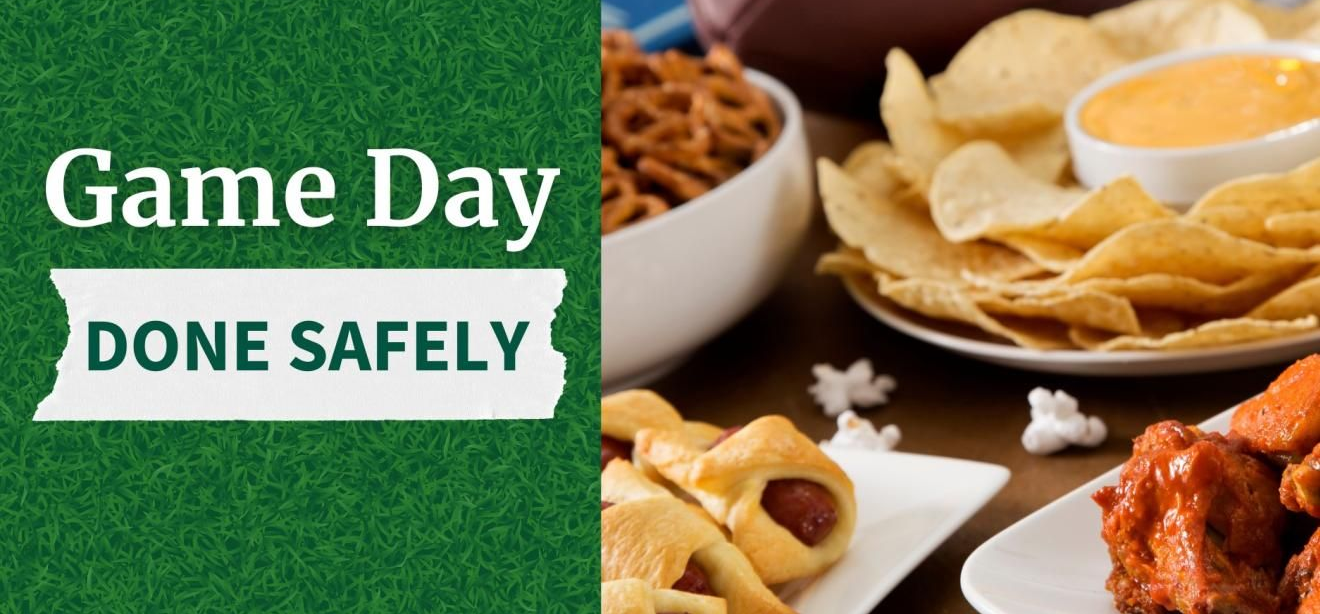
WASHINGTON, January 28, 2026 — Super Bowl parties often feature takeout, delivery and foods that are served over several hours. To help prevent foodborne illness, the U.S. Department of Agriculture’s (USDA) Food Safety and Inspection Service (FSIS) is reminding fans to keep food safety in play on game day.  “When food is served throughout the Super Bowl, it can be easy to lose track of how long it’s been sitting out,” said USDA Under Secretary for Food Safety Dr. Mindy Brashears . “As Americans gather to enjoy the game, keeping food hot or cold and serving it promptly helps protect family, friends, and guests from foodborne illness.” Many Super Bowl favorites including pizza, chicken wings, hamburger sliders, and chili should not be left out at room temperature for more than two hours, what USDA calls the Danger Zone (temperatures between 40 and 140 degrees F). If perishable food is left out without hot or cold sources for too long, bacteria will multiply to unsafe levels that can cause foodborne illness. FSIS encourages hosts to follow these food safety tips: #1 Handle Takeout and Delivery Safely Transport takeout in insulated bags if travel time exceeds one hour. Serve food promptly or divide into smaller portions and refrigerate until ready to reheat and serve. Keep food hot at 140 degrees F or above using a preheated oven, warming tray, chafing dish or slow cooker. Reheat food containing meat or poultry to an internal temperature of 165 degrees F as measured by a food thermometer. If reheating in the microwave, spread food evenly, stir thoroughly, and check for cold spots to ensure a safe internal temperature is reached throughout. Reheat liquid foods like soups and sauces to a boil. #2 Keep Food out of the Danger Zone Serve food in smaller batches. Bring out one round of food during the first half of the game and another during the second to ensure your food doesn’t stay out for more than two hours. Discard perishable foods left out for longer than two hours. To prevent food waste and enjoy leftovers after the game, refrigerate or freeze perishable items within two hours. If food will be out for more than two hours: Keep cold foods at a temperature of 40 degrees F or below by nestling in ice. Keep hot foods at a temperature of 140 degrees F or above by placing food in a preheated oven, warming trays, chafing dishes or slow cookers. #3 Use a Food Thermometer Ensure your food reaches a safe minimum internal temperature when cooking at home: Meat (whole beef, pork and lamb) 145 degrees F with a 3-minute rest Ground meats 160 degrees F Poultry (ground and whole) 165 degrees F Eggs 160 degrees F Fish and shellfish 145 degrees F Leftovers and casseroles 165 degrees F If serving chicken wings, use a food thermometer on several wings to gauge the doneness of the entire batch. If one is under 165 degrees F, continue cooking all wings until they reach the safe internal temperature. #4 Follow the Four Steps to Food Safety Clean: Wash hands for 20 seconds before and after handling your takeout or delivered food, as well as any raw meat or poultry you prepare at home. Clean hands, surfaces and utensils with soap and water before and after meal prep. Sanitize any surfaces that may have come in contact with food using a commercial or homemade solution (1 tablespoon of unscented, liquid chlorine bleach per gallon of drinking water). Separate : Use separate cutting boards, plates and utensils to avoid cross-contamination between your takeout or delivery foods and any raw meat or poultry you are preparing at home. Cook : Confirm foods are cooked or reheated to a safe internal temperature by using a food thermometer. Chill : Chill foods promptly if not consuming immediately after cooking. For food safety questions, contact the USDA Meat and Poultry Hotline at 1-888-MPHotline (1-888-674-6854) or email MPHotline@usda.gov from 10 a.m. to 6 p.m. Eastern Time, Monday through Friday. Access news releases and other information on FSIS’ website at www.fsis.usda.gov/newsroom . Follow FSIS on X at @usdafoodsafety and USDA on Instagram @usdagov and Facebook .
by Admin 4 February 2026
(Washington, D.C., January 30, 2026) - The U.S. Department of Agriculture is encouraging farmers, ranchers, families, and small businesses across the Southeast, southern Virginia, and potentially parts of the mid‑Atlantic and New England to prepare for a rapidly intensifying winter storm expected to develop into a bomb cyclone this weekend. USDA staff in regional, state, and county offices are ready to assist communities before, during, and after the storm. USDA’s Disaster Resource Center and Disaster Assistance Discovery Tool offer easy access to information on programs that support recovery from natural disasters. USDA also encourages residents and producers to contact their local USDA Service Center to determine which programs may meet their needs. Food safety guidance: Strong winds and heavy snow may lead to scattered power outages. USDA recommends the following steps to keep food safe: A refrigerator will keep food below 40°F for up to 4 hours during an outage. A full freezer stays cold about 48 hours (24 hours if half full). Keep doors closed as much as possible. Do not place perishable food out in the snow. Outside temperatures can vary and food can be exposed to unsanitary conditions and animals. Freeze containers of water ahead of the storm or make ice in containers left outside to freeze; place them around food to help maintain cold temperatures. Freeze refrigerated items you may not need immediately—such as leftovers, milk, and fresh meat or poultry—to extend their safe storage time. Consider purchasing 50 pounds of dry or block ice if a long outage is expected; this can keep an 18-cubic-foot freezer cold for two days. Group foods together in the freezer to help them stay cold longer. Keep several days’ worth of ready-to-eat foods that do not require cooking or cooling. For food safety questions, call the Meat and Poultry Hotline at 1-888-674-6854 (Monday–Friday, 10 a.m.–6 p.m. ET), or email MPHotline@usda.gov . Meat and poultry businesses may contact the FSIS Small Plant Help Desk online 24/7, call 1-877-FSIS-HELP (1-877-374-7435) or email InfoSource@usda.gov . Protecting pets and livestock: USDA’s Animal and Plant Health Inspection Service (APHIS) urges everyone in the potential path of the storm to prepare now: Ensure animals have shelter, dry bedding, and access to unfrozen water. If moving livestock across state lines, contact the receiving state’s State Veterinarian’s Office. APHIS Veterinary Services state offices can also assist. Follow instructions from emergency officials, especially in areas expecting blizzard conditions or coastal flooding. Risk management and disaster assistance for agricultural operations: USDA offers several programs to help producers recover from winter storm impacts. Producers with Federal Crop Insurance or Noninsured Crop Disaster Assistance Program (NAP) coverage should report losses to their crop insurance agent or local Farm Service Agency (FSA) office within 72 hours of discovering damage and follow up in writing within 15 days. Other key programs from USDA include: Livestock Indemnity Program and Emergency Assistance for Livestock, Honeybees, and Farm-raised Fish . Tree Assistance Program for damaged orchards and vineyards. Emergency Conservation Program and Emergency Forest Restoration Program for land and forest recovery. Producers should document all losses and contact their local USDA Service Center as soon as possible. USDA’s Natural Resources Conservation Service (NRCS) also provides financial and technical assistance through the Environmental Quality Incentives Program and can support local governments through the Emergency Watershed Protection Program , which may be especially helpful in areas expecting coastal flooding or erosion. FSA also offers financial support to farmers and ranchers impacted by natural disasters, including: Direct and guaranteed farm loans , including operating and emergency farm loans, to producers unable to secure commercial financing. Low interest emergency loans for producers in designated disaster areas to help recover from production and physical losses. Loan servicing options for borrowers unable to make scheduled payments due to circumstances beyond their control. Loans help producers replace property, livestock, equipment, feed and seed, cover living expenses, refinance farm-related debts and more.  Producers can also use tools on farmers.gov , including the Disaster Assistance Discovery Tool and Disaster Assistance-at-a-Glance fact sheet , to identify applicable recovery programs. For crop insurance claims, contact your insurance agent . For FSA or NRCS programs, reach out to your local USDA Service Center . USDA’s Food and Nutrition Service is also ready to work with the Federal Emergency Management Agency, and is standing by for requests for emergency nutrition assistance from states and local authorities.
by Admin 27 January 2026
New rule speeds leasing and permitting for federal oil and gas development
by Admin 22 January 2026
(Washington, D.C., January 22, 2026) – The U.S. Department of Agriculture (USDA) is launching a new online portal to streamline reporting of transactions involving U.S. agricultural land by foreign persons, which can include businesses and governments, under the Agricultural Foreign Investment Disclosure Act of 1978 (AFIDA). The new online portal is part of a broader effort to strengthen enforcement and protect American farmland as USDA continues its implementation of the National Farm Security Action Plan (PDF, 1.2 MB). “President Trump is putting America First, and this includes increasing transparency and scrutiny of one of our most valuable national assets, American farmland. We are working to improve reporting of foreign owned land in the United States. This move to streamline the reporting portal will increase compliance and assist our efforts to effectively enforce accurate reporting of interests held by foreign adversaries in U.S. farmland,” said Secretary Brooke Rollins . “The online portal will allow us to obtain verifiable information about foreign interests in American agricultural land and protect the security of our farmers.” The new online portal is available at afida.landmark.usda.gov . Users can access the portal with Login.gov, a sign in service that provides secure online access to participate in certain government programs and reporting requirements. The new digital portal will gather the same information found on the current form FSA-153 and those subject to filing may still file using the current FSA-153 hard copy form if desired. However, filers should not duplicate filings by using both submission options. About the National Farm Security Action Plan One of the key tenets of USDA’s National Farm Security Action Plan (PDF, 1.2 MB) is strengthening processes around disclosure of foreign persons who have an interest in U.S. farmland. This historic plan, announced in July 2025, calls for aggressive implementation of reforms to the AFIDA process including improved verification and monitoring of collected AFIDA data. In addition to the new portal, USDA published an Advanced Notice of Proposed Rulemaking for AFIDA in December 2025. About AFIDA The new portal is part of USDA’s efforts to streamline its process for electronic submission and retention of AFIDA disclosures, as initially required by the Consolidated Appropriations Act, 2023. Today USDA also shared its annual AFIDA report for 2024 with Congress, which is available online. The report lists foreign holdings of U.S. agricultural land as 46 million acres, as of December 31, 2024 and includes a section on land held and acquired by China, Russia, Iran, and North Korea in recent years.  AFIDA became law in 1978, and its regulations were created to establish a nationwide system for the collection of information pertaining to foreign ownership of U.S. agricultural land. The regulations require foreign investors who acquire, transfer or hold an interest in U.S. agricultural land to report such holdings and transactions to the Secretary of Agriculture. The data obtained from AFIDA disclosures are used in the preparation of an annual report to Congress, which is published online . The AFIDA regulations define the term “foreign person” and specifies the information that must be included in the report. AFIDA focuses on foreign persons who hold direct or indirect interest in the agricultural land, provided those foreign persons with an indirect interest have “significant interest or substantial control” in the direct interest holder.
by Admin 21 January 2026
Driving Innovation to Combat NWS and Prevent its Northward Spread
by Admin 20 January 2026
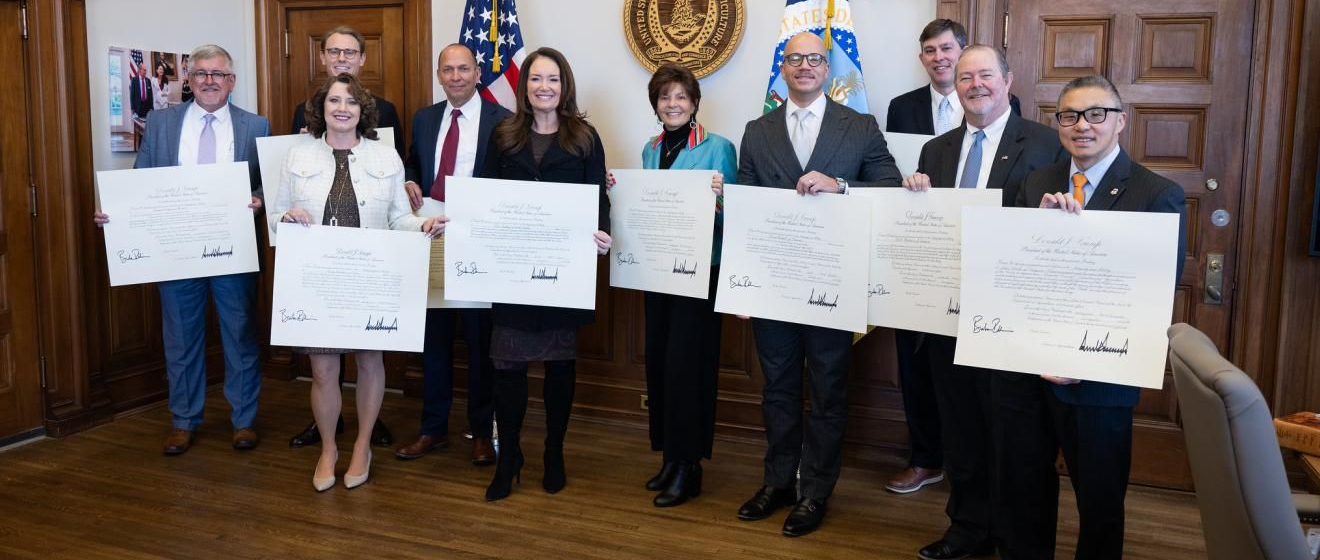
(Washington, D.C., January 20, 2026) – U.S. Secretary of Agriculture Brooke L. Rollins today signed the official commissions of all Senate-confirmed officials serving at the U.S. Department of Agriculture (USDA), marking one year since the start of President Trump’s historic second term in office. “One year into President Trump’s second term, we have assembled a results-driven team that is fully committed to putting farmers and ranchers first, strengthening our national security through agriculture, restoring common sense to government, and protecting America’s food supply,” said Secretary Brooke Rollins . This commission signing represents more than a milestone; it reflects our shared mission to fight for the American people, defend rural communities, and deliver on the promises President Trump made to the country.”  The commission signing took place in the Secretary’s office and brought together USDA’s full slate of Senate-confirmed leaders, along with their families, for a single, historic moment underscoring the Administration’s commitment to service, accountability, and results. Secretary Rollins signed each commission individually and commemorated the occasion with photographs alongside each official and their loved ones. The following Senate-confirmed USDA officials received their commissions: Devon Westhill , Assistant Secretary for Civil Rights Dudley Hoskins , Under Secretary for Marketing and Regulatory Programs John Walk , Inspector General Luke Lindberg , Under Secretary for Trade and Foreign Agricultural Affairs Michael Boren , Under Secretary for Natural Resources and Environment Dr. Mindy Brashears , Under Secretary for Food Safety Richard Fordyce , Under Secretary for Farm Production and Conservation Scott Hutchins, Ph.D., Under Secretary for Research, Education, and Economics and USDA Chief Scientist Tyler Clarkson, General Counsel, U.S. Department of Agriculture Yvette Herrell, Assistant Secretary for the Office of Congressional Relations
by Koeser, A. K., Hilbert, D. R., Locke, D., Riley, C. B., Sonti, N. F. 1 January 2026
AbstractBackground While many tree professionals recognize the importance of planting quality stock and a diversity of species to enhance longevity and increase urban forest resiliency, the availability of such stock is often limited. Methods To address this disconnect, we conducted 3 focus groups with growers, designers, urban foresters, and other technical experts from the Chesapeake Bay watershed region (USA) to identify challenges and opportunities for growing greater numbers of high-quality, underused species. Results Contract growing was seen as a key opportunity for increasing quality and diversity. Additionally, increased communication between growers and tree purchasers, as well as potential partnerships with nonprofit or state nurseries, were identified as potential solutions where the marketability of underused species was limited. There were differences among participants regarding their preferences for native species, non-native species, cultivars, and non-cultivars. Conclusions While this research focused on the tree supply chain within the Chesapeake Bay watershed, many of the challenges and opportunities discussed are not region-specific, making our findings applicable to professionals beyond the study area.
by Macias, A., Canton, C. M., Östberg, J., Konijnendijk, C., Roig, S. 1 January 2026
Urban forests and trees constitute a critical component of sustainable urban ecosystems, offering ecological, social, and climatic benefits that are increasingly indispensable in the context of global environmental change. As cities confront the compounded challenges of climate change, extreme weather events, population growth, and urban densification, the strategic enhancement of tree diversity emerges as a fundamental approach to strengthening resilience and ensuring long-term urban livability. The 5th International Urban Tree Diversity Conference (UTD5), convened in Madrid, Spain, in October 2024, served as a pivotal forum for advancing this agenda. Building upon the legacy of previous meetings in Sweden, Australia, Canada, and the United States, UTD5 assembled 150 participants from 26 countries, encompassing researchers, practitioners, and policymakers. The scientific program comprised 8 keynote lectures, 44 oral presentations, a round table, 16 posters, and 3 technical visits, fostering interdisciplinary dialogue and knowledge exchange across multiple domains of urban forestry and arboriculture. The thematic structure of UTD5 reflected the multifaceted nature of urban tree diversity and its role in addressing contemporary urban challenges. Contributions were organized around four principal topics: