Hazardous Tree Removal & Tree Risk Mitigation
Trim. Protect. Thrive.
Dangerous trees are rarely routine removals. QC Arbor Care focuses on identifying the immediate hazard, controlling the work area, and reducing risk using the least disruptive practical approach. Whether a tree is dead, severely damaged, leaning, uprooted, or showing signs of structural failure, prompt attention can help reduce the potential for injury or property damage.
Same-Day Response When Possible
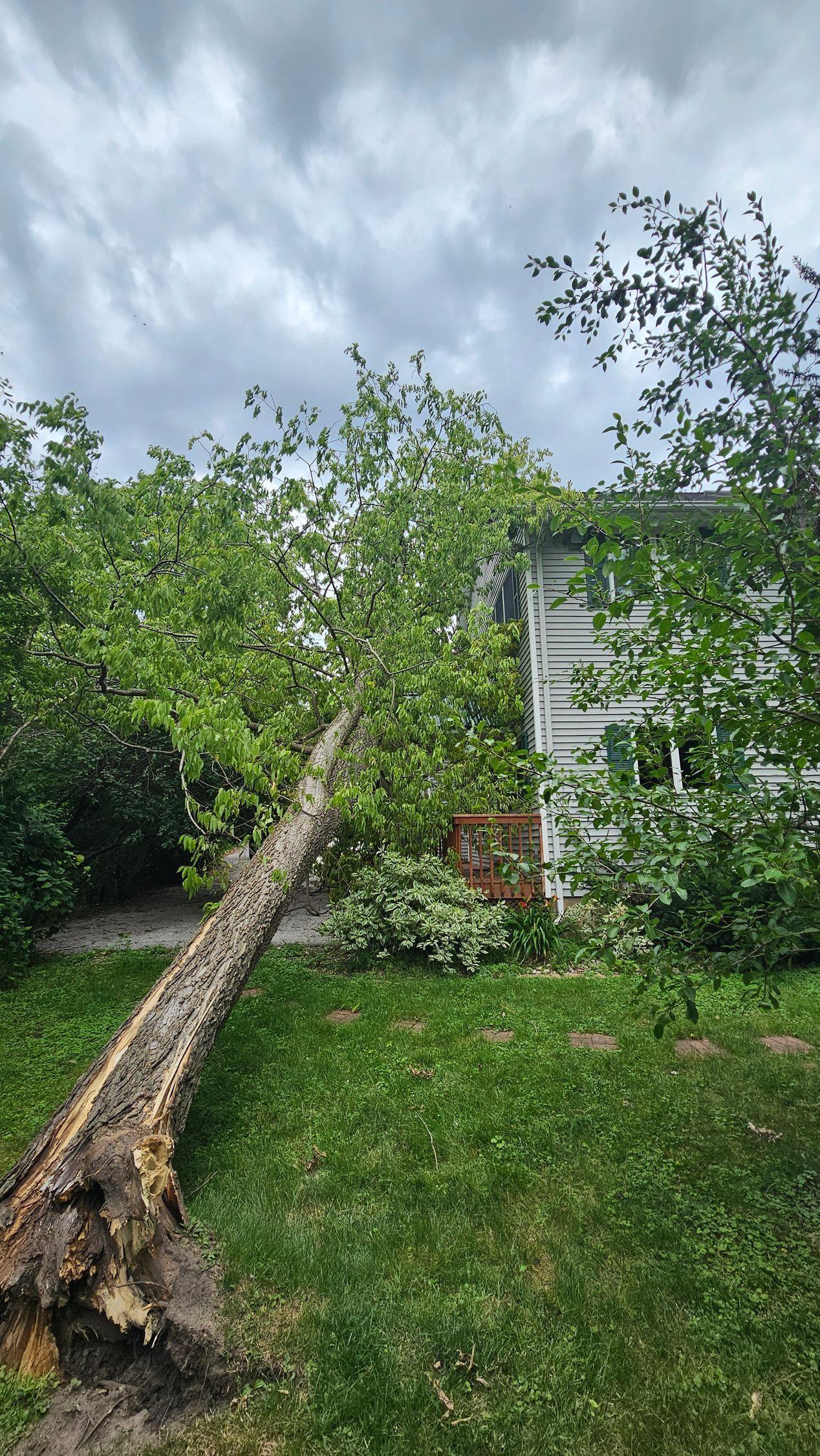
When a hazardous tree requires prompt attention, QC Arbor Care may provide same-day hazard mitigation when possible.
Availability depends on:
- Crew scheduling
- Site access
- Weather conditions
- Equipment requirements
- The complexity of the tree
- Safe working conditions
Emergency calls may be handled 24/7.
Dead or Structurally Compromised Trees
Dead and declining trees can become increasingly unpredictable as their structural integrity deteriorates.
Potential warning signs include:
- Extensive decay or cavities
- Dead tops or major dead sections
- Large cracks or splits
- Failed or weakened branch unions
- Significant trunk defects
- Root plate movement
- Severe storm damage
A tree showing these conditions may warrant professional evaluation to determine the appropriate next step.
Leaning & Uprooted Trees
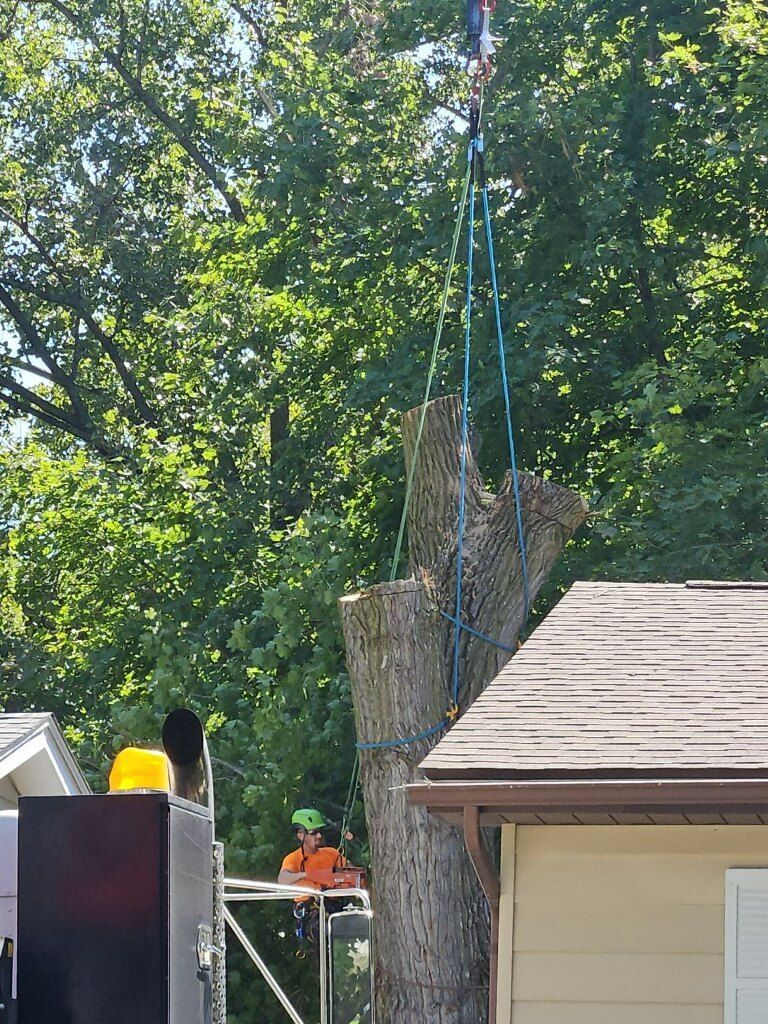
Not every leaning tree is immediately dangerous, but a new or changing lean can indicate a developing structural problem.
Soil heaving, exposed roots, root movement, or a sudden change in the tree’s position can increase concern—particularly following high winds or saturated ground conditions. Prompt evaluation can help determine whether the situation can be monitored, mitigated, or requires removal.
Broken & Hanging Limbs
Partially failed limbs and broken leaders can remain suspended in the canopy and shift without warning.
These hazards may require controlled removal or other mitigation to reduce the possibility of additional failure.

Hazard Mitigation
Hazard mitigation means taking practical steps to reduce an identified tree-related risk.
Depending on the circumstances, mitigation may include:
- Establishing an exclusion or restricted area
- Removing a failed limb or section
- Reducing an unstable load
- Controlling access around the hazard
- Using rigging for controlled removal
- Removing the tree when necessary
The appropriate approach depends on the tree, its condition, surrounding property, access, and the nature of the hazard.
Same-Day Hazard Mitigation
QC Arbor Care offers same-day hazard mitigation when possible rather than guaranteeing a specific response time. Priority and availability can change following major storms or periods of high emergency demand. Work will only be performed when the crew, equipment, site conditions, and weather allow the job to be completed safely.
Trees Over Valuable Property
Trees located over or near valuable targets require additional planning.
These may include:
- Homes and garages
- Vehicles
- Fences and landscaping
- Driveways and access areas
- Neighboring structures
- Other property that could be damaged
Depending on the situation, rigging and controlled piece-by-piece removal may be more appropriate than conventional felling.
When Is a Tree Considered Hazardous?
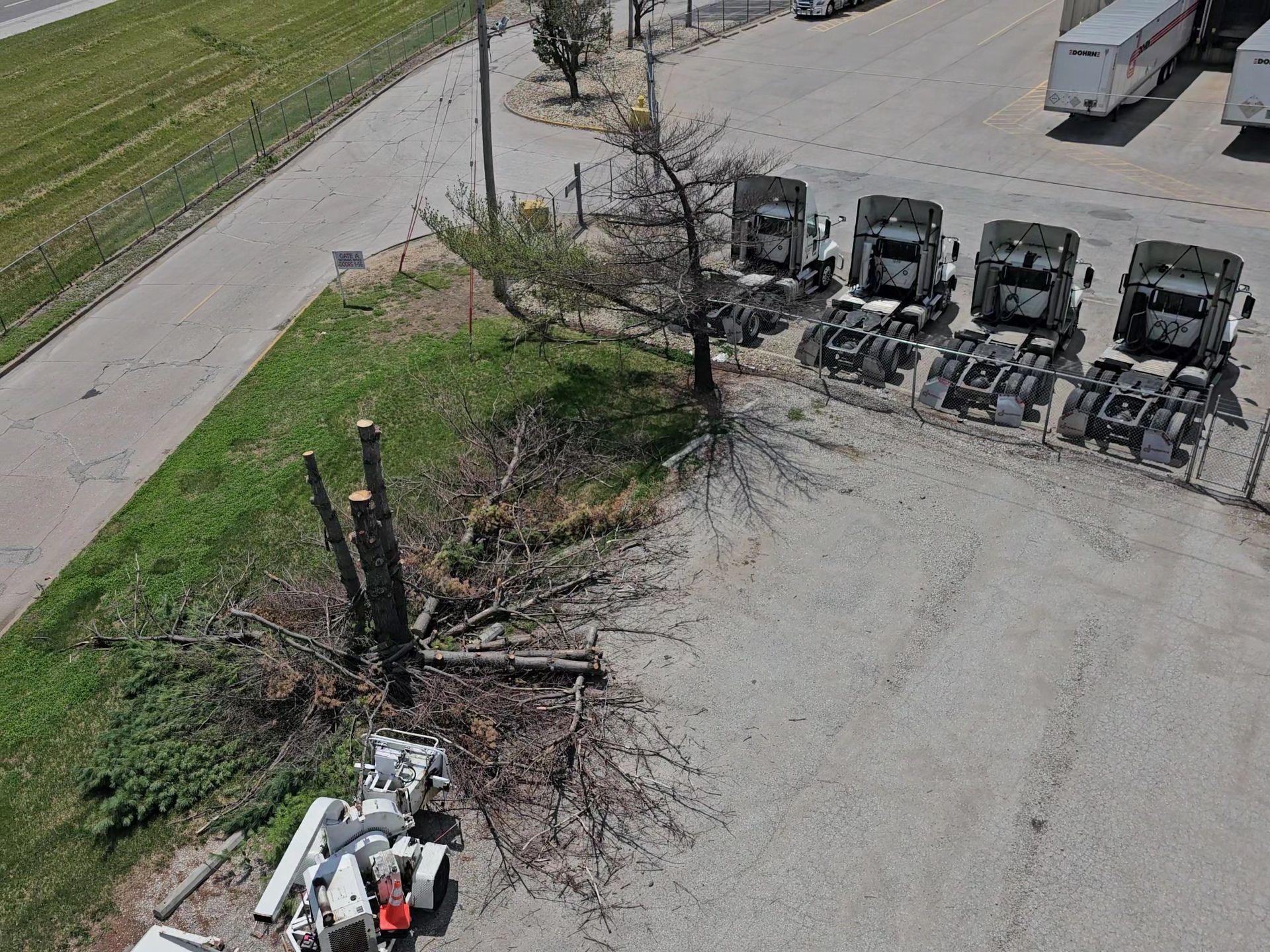
A tree may present a greater level of concern when it has significant decay, structural cracks, major dead sections, root movement, severe storm damage, or other visible signs of instability. However, visible symptoms do not always tell the entire story. A professional assessment can help determine the condition and appropriate course of action.
Need Help With a Hazardous Tree?
If you’re concerned about a tree that appears unstable, damaged, or unsafe, contact QC Arbor Care to discuss the situation and determine the appropriate next step.
Hazardous Tree Removal FAQ
What makes a tree hazardous?
Potential warning signs include major decay, structural cracks, dead sections, root movement, significant leaning, failed limbs, or severe storm damage.
Should I remove a dead tree?
Not every dead tree requires immediate removal, but its location, condition, size, and proximity to people or property should be considered when determining the level of risk.
Can a leaning tree be saved?
Sometimes. A lean does not automatically mean a tree must be removed. The cause, severity, root condition, structural integrity, and surrounding targets all factor into determining the appropriate approach.
Can you remove a hazardous tree near my house?
Potentially, depending on the tree and site conditions. Trees near structures may require controlled sequencing, rigging, or other specialized removal methods.
Can you provide same-day service?
Same-day hazard mitigation is available when possible, depending on scheduling, weather, access, equipment, and safe operating conditions.
QC ARBOR CARE LLC
Professional tree removal, hazardous-tree mitigation, storm response and tree care throughout the Quad Cities.
Normal office hours and emergency availability are separate. Emergency response may be available 24/7. Same-day service depends on crew availability, weather, access, and safe operating conditions.
Get in Touch
Have questions or need a quote? Choose one of the following options, and we'll get back to you promptly.
Quote for services